
How to Keep Your Pet Cool in Brandon’s Hot, Humid June
How to Keep Your Pet Cool in Brandon’s Hot, Humid June
Florida summers are known for their intense heat and humidity, and June in Brandon is no exception. As temperatures rise and thunderstorms roll in, many pet owners worry about keeping their dogs and cats safe and comfortable. Overheating and dehydration are real dangers for pets during this time of year; knowing how to protect your companions is crucial. At Meadowrun Affordable Pet Care, located at 804 Lithia Pinecrest Rd, Brandon, FL 33511, our veterinary team is dedicated to helping you navigate the challenges of summer pet care. In this blog, we will cover practical tips for keeping your pet cool, signs of heat stress, home care strategies, and when it’s time to schedule an appointment with a veterinarian. Whether you’re planning outdoor adventures or simply hoping to keep your pet comfortable at home, these guidelines will help ensure a safe, happy summer for your four-legged family members.
Recognizing Heat Stress in Your Dog or Cat
Pets can quickly become overheated during Florida’s humid summer days, especially if they are left outside or exercise during the hottest hours. Because dogs and cats do not sweat the way humans do, they rely on panting and limited sweat glands in their paws to regulate body temperature. This makes them more vulnerable to heatstroke, particularly breeds with short noses like Bulldogs or Persians, older pets, and those with medical conditions.
Key symptoms of heat stress include rapid or heavy panting, excessive drooling, bright red or pale gums, glazed eyes, lethargy or weakness, vomiting, diarrhea, and unsteadiness. In severe cases, pets may collapse, have seizures, or lose consciousness altogether. Cats tend to hide when they feel unwell, so watch for subtle changes like seeking cool surfaces, breathing with an open mouth, or restlessness. If you notice any of these signs, it is important to act quickly, as heatstroke can become life-threatening within minutes.
Why Pets Are at Risk During Brandon’s Humid June
Brandon’s subtropical climate means that June brings not just high temperatures, but high humidity. Local weather often features days in the 90s with humidity levels above 70 percent, which makes it harder for pets to cool themselves. Humidity reduces the effectiveness of panting, so your pet’s natural cooling mechanisms struggle to keep up. Asphalt and concrete can become dangerously hot, burning paw pads and radiating heat back into your pet’s body. Afternoon thunderstorms can also trap heat and humidity, creating a stifling environment even after the sun goes down.
Certain pets are especially vulnerable. Flat-faced breeds, overweight pets, seniors, puppies, and those with chronic illnesses all have a harder time regulating body temperature. Outdoor cats, dogs left in yards, and any pet confined to spaces without adequate ventilation are at increased risk. Even a few minutes in a parked car, garage, or sunroom can lead to a medical emergency.
How Our Veterinary Team Treats Heat-Related Emergencies
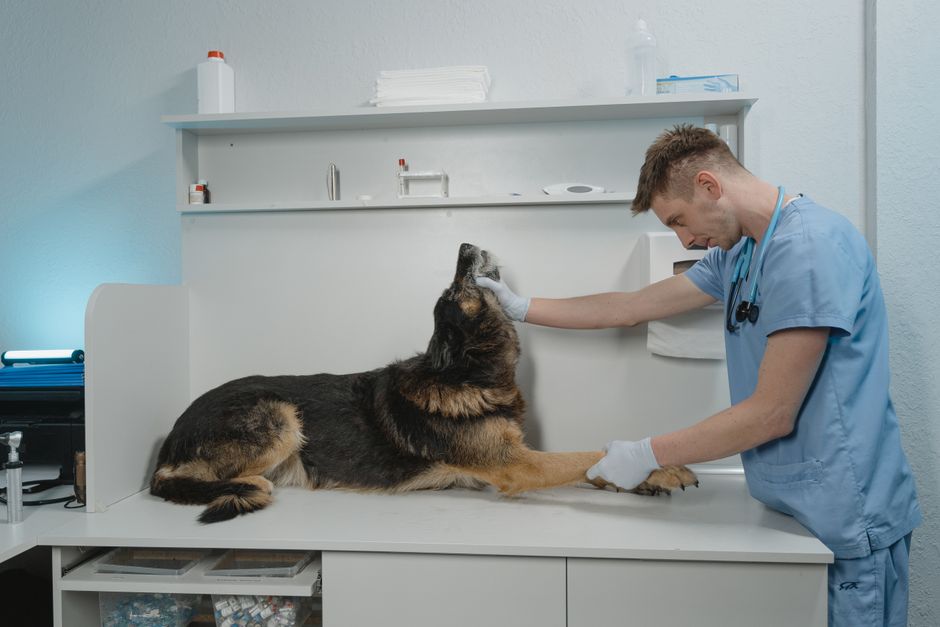
If you suspect your pet is experiencing heatstroke, immediate action is required. At Meadowrun Affordable Pet Care, our veterinarians are skilled in stabilizing pets suffering from heat stress. Treatment approaches involve rapidly lowering your pet’s body temperature, providing intravenous fluids to combat dehydration, and monitoring vital signs closely. We may use cooling measures such as wet towels, fans, and cool (not cold) water applications, while continually assessing your pet’s heart rate, respiration, and organ function.
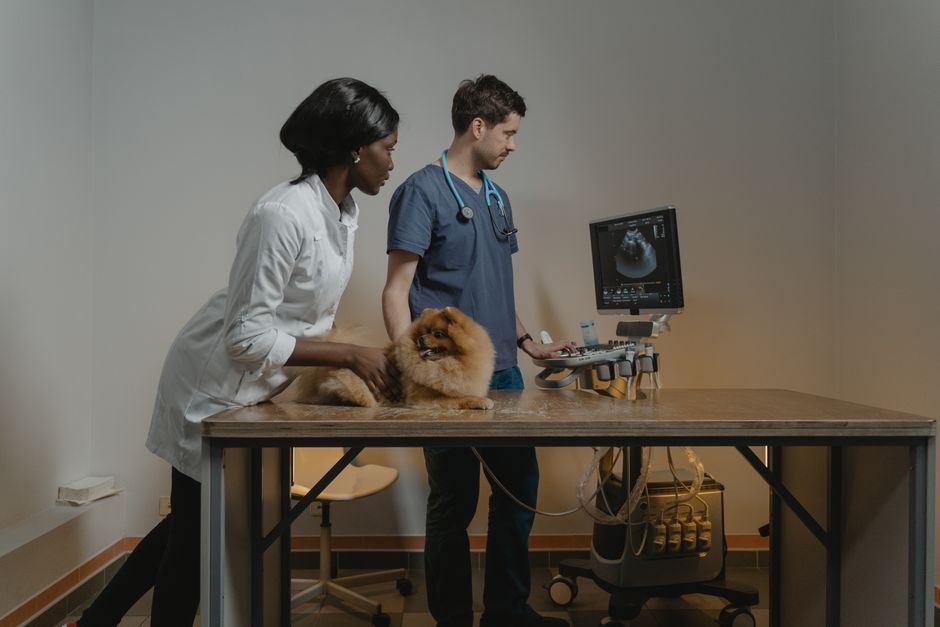
Advanced care can involve oxygen therapy, medications to support blood pressure and manage shock, and diagnostic testing to identify complications. Our Diagnostic Laboratory allows for quick assessment of organ function, and Digital Radiology or Ultrasound are available if internal damage is suspected. Because heatstroke can cause delayed effects such as kidney failure or clotting disorders, we often recommend follow-up care and monitoring even after initial stabilization.
Practical Ways to Keep Your Pet Cool at Home
Preventing heat stress is always better than treating it. You can help your dog or cat stay cool this June by planning walks or playtime during early morning or late evening hours, when temperatures are lowest. Always provide access to fresh, cool water inside and outside your home. Consider adding extra water bowls or even pet-safe ice cubes to encourage hydration.
Indoors, keep your home well-ventilated and air-conditioned if possible. Cooling mats, fans, and shaded resting areas can make a big difference. For cats, ensure they have access to quiet, cool spaces away from direct sunlight; for dogs, avoid hot surfaces like asphalt or sand during walks. Remember that even shaded outdoor areas can become dangerously hot and humid, so limit time outside and never leave your pet unattended in a car or poorly ventilated space.
Grooming can help, but avoid shaving double-coated breeds, as their fur can actually provide insulation against heat. Instead, regular brushing removes excess hair and helps air circulate near the skin. Watch for signs of dehydration, such as sticky gums or sunken eyes, and offer water frequently. If your pet has a medical condition, ask your veterinarian if any additional precautions are needed during the summer months.
Preventive Care: Keeping Pets Safe All Summer Long
Routine veterinary care is a key part of protecting pets during hot weather. Semi-annual comprehensive exams allow our veterinary team to identify underlying health risks that could make your pet more susceptible to heat stress, such as heart disease, obesity, or thyroid issues. Staying up to date on vaccination services is also crucial, as some illnesses can be more common or severe in the summer months.
In Brandon’s climate, mosquito-borne diseases like heartworm are a year-round threat. We recommend regular heartworm testing and preventive medication, especially during the rainy season when mosquitoes are most active. Discuss your pet’s lifestyle and risk factors with our veterinarians to tailor a summer wellness plan that meets their unique needs.
When to Schedule an Appointment with Your Veterinarian
Knowing when to seek professional help can save your pet’s life. If your dog or cat shows any signs of heatstroke, such as heavy panting, collapse, vomiting, confusion, or seizures, cool them with water-soaked towels and bring them to 804 Lithia Pinecrest Rd, Brandon, FL 33511 immediately. Do not wait for symptoms to improve at home, as heatstroke can cause rapid organ damage.
You should also schedule an appointment if your pet seems unusually lethargic, is refusing food or water, or has had a recent episode of overheating. Our veterinary team can evaluate for complications and recommend appropriate treatment or monitoring. If you are unsure whether your pet’s symptoms are serious, it is always better to err on the side of caution and call us for guidance.
Your Partner in Summer Pet Wellness in Brandon
As summer temperatures climb in Brandon and surrounding communities, Meadowrun Affordable Pet Care is here to help you keep your pets safe, healthy, and happy. Our veterinarians offer comprehensive seasonal care, early detection of health issues, and practical guidance tailored to your pet’s needs. If you have questions about heat safety, hydration, or preventive care, we invite you to reach out to our team.
For peace of mind and expert support, schedule your pet’s summer wellness exam or discuss a personalized plan with our veterinarians. If you are searching for a reliable "vet near me," our compassionate professionals are ready to serve you. To book an appointment or ask about our services, call us at (813) 688-0067 or visit us at 804 Lithia Pinecrest Rd, Brandon, FL 33511. At Meadowrun Affordable Pet Care, we are committed to your pet’s wellness every season.
The information provided in this blog is intended for educational purposes only and does not replace professional veterinary advice. If you are concerned about your pet’s health or suspect heatstroke, contact our veterinary team or seek emergency care immediately.