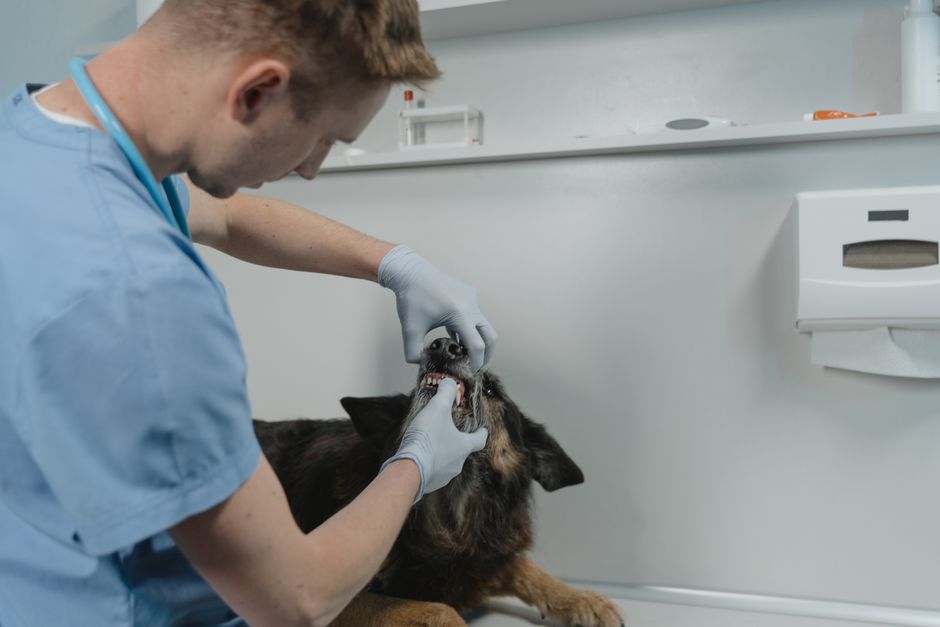

Heartworm Awareness for Dogs and Cats in Brandon, FL
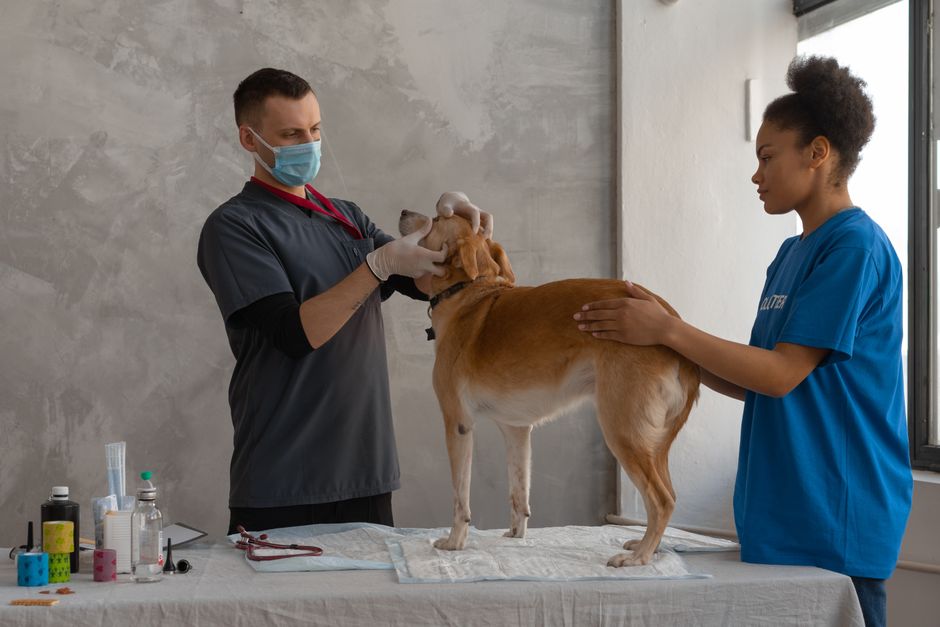
Heartworm Awareness for Dogs and Cats in Brandon, FL
Heartworm disease is a major concern for pet owners in Brandon and surrounding communities, especially because of our region’s warm, humid climate and year-round mosquito activity. You might be wondering whether your dog or cat is truly at risk for heartworm, particularly as the weather cools down in November. At Meadowrun Affordable Pet Care, our veterinary team is committed to helping you understand the risks, recognize the warning signs, and protect your pet’s health with reliable heartworm testing and prevention. In this blog, we’ll explain why heartworm awareness should stay high on your priority list throughout the year, outline symptoms to watch for in both dogs and cats, and discuss how our heartworm testing services for dogs and cats can help ensure your pet’s long-term wellbeing. Whether you’re new to the area or a long-time resident, staying informed about heartworm disease is an important step in responsible pet ownership.
Recognizing the Signs of Heartworm Disease in Dogs and Cats
One of the most challenging aspects of heartworm disease is that early stages often show few or no symptoms. Many pet owners in Brandon only become aware of the problem once the disease has progressed, making early detection through regular testing essential. In dogs, initial signs can be subtle, such as a mild cough or a decrease in exercise tolerance. As the disease advances, symptoms may include persistent coughing, fatigue after moderate activity, loss of appetite, and noticeable weight loss. In severe cases, dogs may experience labored breathing, fainting episodes, or even heart failure.
Cats, on the other hand, present a unique challenge. Heartworm disease in cats often goes undetected because symptoms can mimic other common feline conditions or may be sudden and severe. Warning signs in cats include coughing or asthma-like attacks, periodic vomiting (not related to eating), lack of appetite, and weight loss. Some cats may develop difficulty walking, experience fainting or seizures, or show signs of respiratory distress. In certain cases, heartworm infection in cats is only discovered after sudden collapse or death, which underscores the importance of proactive veterinary care.
Because these symptoms overlap with many other health issues, it’s crucial not to assume or diagnose at home. If you notice any of these signs in your pet, schedule a comprehensive evaluation with our team of veterinarians at 804 Lithia Pinecrest Rd, Brandon, FL 33511. Prompt attention is the best way to safeguard your pet’s health.
Understanding Heartworm Disease: Causes and Transmission
Heartworm disease is caused by a parasitic worm called Dirofilaria immitis, which is transmitted through the bite of infected mosquitoes. In the warm climate of Brandon, mosquito populations thrive nearly year-round, increasing the risk of heartworm exposure for both dogs and cats. When a mosquito carrying heartworm larvae bites your pet, it injects microscopic larvae into the bloodstream. Over several months, these larvae mature into adult worms that reside in the heart, lungs, and associated blood vessels.
Dogs are considered the natural host for heartworms, meaning the parasites can grow to maturity, reproduce, and live for several years within a canine host. This long lifecycle results in extensive damage to the heart and lungs, which is why chronic infection can be life-threatening. Cats are more resistant to developing adult heartworms, but even a single worm can cause severe inflammation and respiratory problems. Feline heartworm disease is often misdiagnosed, and because there is no approved treatment for cats, prevention is especially crucial.
Environmental factors play a large role in determining the risk for your pet. In regions like Brandon and neighboring areas, the combination of standing water, mild winters, and frequent rain supports large mosquito populations. Even indoor pets are not completely safe; mosquitoes can easily enter homes, garages, and screened patios, putting all pets at risk. This is why heartworm prevention and routine testing should be part of any responsible pet health plan, regardless of your pet’s age or lifestyle.
Diagnosis and Treatment: What to Expect from Your Veterinarian
At Meadowrun Affordable Pet Care, we recommend annual heartworm testing for all dogs and regular risk assessments for cats. Heartworm testing involves a simple blood test that can detect the presence of heartworm proteins or, in some cases, microfilariae (immature worms) in the bloodstream. These tests are quick, minimally invasive, and provide valuable information about your pet’s health status.
For dogs who test positive, treatment protocols can be complex and lengthy, involving medications designed to kill adult worms and their larvae. The process may include a combination of injections, oral medications, and strict exercise restriction to reduce the risk of complications during recovery. Follow-up testing and monitoring are essential to ensure all heartworms have been eliminated and to assess any lasting effects on the heart and lungs.
Unfortunately, there is currently no approved treatment for heartworm infection in cats. Veterinary management focuses on controlling symptoms and minimizing inflammation, often with supportive care, corticosteroids, and monitoring for secondary complications. Because of this, prevention becomes the best and only reliable approach for feline patients.
Our diagnostic laboratory services support heartworm detection and evaluation, allowing our veterinary professionals to tailor a treatment plan specific to your pet’s needs. If you’re unsure about your pet’s current heartworm status, we encourage you to schedule a comprehensive physical examination so we can assess their overall health and discuss the best next steps.
Preventing Heartworm Disease in Dogs and Cats
Prevention is by far the most effective way to protect your pet from heartworm disease. In Brandon, veterinarians recommend year-round heartworm preventive medications for all dogs and cats, including those that spend most of their time indoors. These preventive products are available in various forms such as monthly chewable tablets, topical medications, or injectable options for dogs. Your veterinarian can help you choose the best preventive for your pet’s lifestyle, health status, and risk factors.
Consistent use of heartworm preventives is key. Missing even a single dose can leave your pet unprotected, as mosquitoes can be active on warm days in any season. Additionally, annual heartworm testing for dogs is essential to verify that the prevention program is working and to catch any potential infections early. For cats, while annual testing is less common, regular check-ups and a strong prevention plan are vital because of the lack of treatment options if infection does occur.
Maintaining a mosquito-free environment adds another layer of protection. Simple steps such as eliminating standing water, using pet-safe mosquito repellents, and keeping windows and doors screened help reduce your pet’s exposure to mosquitoes. However, environmental control alone is not enough in our climate; veterinary-recommended preventives remain the cornerstone of heartworm protection.
When to Seek Veterinary Care for Heartworm Concerns
If you notice any signs of coughing, fatigue, breathing difficulties, unexplained weight loss, or other unusual behaviors in your dog or cat, it’s important to contact your veterinarian promptly. Even if your pet appears healthy, routine heartworm testing should be part of their annual veterinary care plan. Early detection makes a significant difference in outcomes and allows for timely intervention.
For new pets, recently adopted animals, or pets whose preventive medication schedule has lapsed, schedule a heartworm test as soon as possible. Discuss any concerns about prevention, symptoms, or your pet’s risk level with our veterinary team during your visit. Our priority is to keep your companion healthy and safe, no matter the season or your pet’s lifestyle.
If you have questions about heartworm disease or think your pet may be at risk, our compassionate team of veterinarians at Meadowrun Affordable Pet Care is here to help guide you through the process and provide personalized recommendations.
Protecting Your Pet’s Health Year-Round in Brandon, FL
Heartworm disease is a year-round threat to dogs and cats in Brandon and surrounding communities, but with regular testing, consistent prevention, and attentive veterinary care, you can significantly reduce your pet’s risk. Staying proactive is the best gift you can give your companion, keeping them healthy and happy for years to come.
If you’re searching for a veterinarian near me who understands the unique needs of pets in our area, Meadowrun Affordable Pet Care is your trusted partner. To schedule a heartworm test, discuss prevention options, or book your pet’s next comprehensive physical examination, contact our veterinary professionals at (813) 688-0067 or visit us at 804 Lithia Pinecrest Rd, Brandon, FL 33511. Your pet’s health and happiness are always our top priorities.
Disclaimer: This blog is for educational purposes only and should not be used as a substitute for professional veterinary advice. If you have concerns about your pet’s health or suspect heartworm disease, please consult your veterinarian promptly for an accurate diagnosis and appropriate care. For more information about heartworm disease, visit the American Heartworm Society or contact our clinic with your questions.