
Protecting Pets From Fleas and Ticks in Brandon, FL


Protecting Pets From Fleas and Ticks in Brandon, FL
As temperatures rise in Brandon, FL, pet owners often notice an unwelcome surge in fleas and ticks. These tiny parasites are more than just a nuisance; they pose real health risks to both dogs and cats, leading to itching, discomfort, and even the transmission of serious diseases. At Meadowrun Affordable Pet Care, our team of veterinarians understands how challenging flea and tick season can be for local families. In this blog, we will guide you through recognizing flea and tick problems, discuss why these pests are so common in our area, explore treatment options, and share prevention strategies to keep your pet comfortable and healthy. We will also highlight when it is time to seek veterinary care and how our Brandon veterinary team can support you with everything from preventive medications to comprehensive physical exams and diagnostic testing. Whether you live right in Brandon or in the surrounding communities, protecting your pets from fleas and ticks this May is a top priority.
How to Recognize Flea and Tick Problems in Your Pet
Spotting fleas and ticks early is crucial for your pet’s comfort and health. The most common sign of a flea infestation is frequent scratching, biting at the skin, or chewing at the base of the tail. Fleas often cause irritated, red skin, and in some cases, small black specks known as “flea dirt” may be visible on your pet’s coat or bedding. Some pets, especially those allergic to flea saliva, may develop hair loss or scabs from intense itching. Ticks, on the other hand, may be harder to notice at first. They attach themselves to your pet’s skin, often hiding in areas like around the ears, under the collar, or between the toes. You may feel a small lump when petting your dog or cat, and ticks may appear as gray or brown bumps that grow larger as they feed. In severe cases, heavy infestations can cause lethargy, pale gums, or even signs of anemia, as fleas feed on your pet’s blood. Pets with ticks can also develop localized swelling or signs of illness if a tick-borne disease is transmitted. Always check your pets thoroughly after they have been outdoors, especially if they have been exploring grassy or wooded areas.
Why Fleas and Ticks Thrive in Brandon, FL
Brandon’s warm, humid climate creates ideal breeding conditions for fleas and ticks. These parasites are most active from late spring through fall but can survive year-round indoors or during mild winters. The abundance of wildlife in our area, including squirrels, rabbits, and roaming feral animals, increases the chance that fleas and ticks will be present in yards, parks, and even your own neighborhood. Flea eggs can fall off pets and remain dormant in carpets, bedding, or outdoor soil for weeks before hatching, making it difficult to fully eliminate an infestation without a thorough approach. Ticks, meanwhile, are often brought into yards by wildlife and can wait for months for a suitable host to pass by. Because Florida’s climate rarely experiences extended cold snaps, flea and tick populations can remain robust throughout much of the year. This means local pet owners must stay vigilant, especially during warmer months when parasite activity peaks.
Professional Treatment Options for Fleas and Ticks
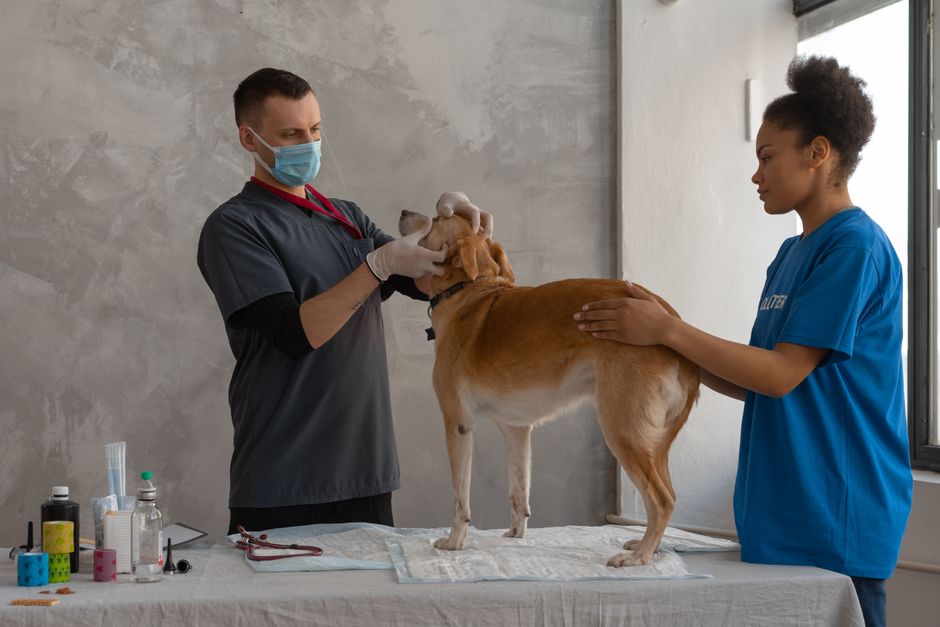
If you suspect your dog or cat has fleas or ticks, prompt intervention is vital. At Meadowrun Affordable Pet Care, our veterinarians begin with a thorough physical exam to identify the extent of the infestation and check for potential complications such as skin infections or signs of tick-borne illness. For fleas, treatment approaches often involve prescription-strength topical or oral medications that kill adult fleas quickly and disrupt the life cycle to prevent reinfestation. Medications may be chosen based on your pet’s age, weight, and any pre-existing health conditions. In severe cases, additional steps such as medicated baths or environmental treatments may be recommended to address eggs and larvae in your home. For pets with ticks, our veterinary team will carefully remove attached ticks and may recommend laboratory testing to screen for diseases like Lyme or ehrlichiosis, especially if your pet is showing signs of illness. We may also suggest monthly preventive products to reduce the risk of reinfestation. Combining veterinary-grade treatments with environmental control measures is the most reliable way to clear both fleas and ticks from your pet’s life.
Home Prevention Strategies for Fleas and Ticks
Preventing fleas and ticks requires a multi-layered approach. Pet owners should use veterinarian-recommended preventives year-round, as these products are designed to kill or repel parasites before they can cause harm. Regularly washing your pet’s bedding, vacuuming carpets, and maintaining a tidy yard can help reduce the presence of eggs and larvae. Additionally, keeping grass trimmed short and removing leaf litter or brush piles from your yard makes the environment less attractive to ticks. After outdoor adventures, especially in parks or wooded areas, inspect your dog or cat thoroughly for any signs of fleas or ticks. It is also important to discuss your pet’s risk factors during their semi-annual comprehensive exams, as our veterinarians can tailor prevention strategies to your pet’s unique lifestyle and health status. For families with multiple pets, treating all animals in the household is essential, since fleas can easily move between hosts. Never use canine flea or tick products on cats, as some ingredients can be toxic to felines; always consult your veterinarian before starting a new preventive.
When to Seek Veterinary Care
While minor flea or tick issues can sometimes be managed at home with prescribed treatments, there are times when immediate veterinary attention is necessary. Schedule an appointment if your pet is scratching excessively, losing hair, or developing red, irritated skin that does not improve within a few days. Seek prompt care if you notice pale gums, lethargy, weakness, or signs of illness such as fever or joint pain, as these may indicate severe infestations or complications from tick-borne diseases. If you are unsure which preventive product is safest for your pet, or if over-the-counter remedies have failed, reach out to our veterinary team for guidance. We can provide diagnostic laboratory testing to check for potential secondary infections or underlying health concerns. Timely intervention can make a significant difference in your pet’s recovery and comfort. Remember, our team at Meadowrun Affordable Pet Care is dedicated to keeping Brandon pets healthy and parasite-free all year long.
The Importance of Preventive Veterinary Care
Routine veterinary visits are one of the best ways to protect your pet from fleas, ticks, and the diseases they carry. During regular vaccination appointments and health checks, our veterinarians review your pet’s parasite prevention plan and can make recommendations based on the latest research and local risk factors. Preventive care also allows us to catch early signs of infestation before they escalate, ensuring your pet stays happy and healthy throughout flea and tick season. Investing in year-round prevention not only safeguards your pet’s comfort but also protects your household from the discomfort and potential health risks associated with these parasites.
Your Local Partner for Flea and Tick Protection in Brandon
As a trusted veterinary care provider in Brandon, Meadowrun Affordable Pet Care is here to help you safeguard your pets from fleas and ticks this May and throughout the year. Whether you have questions about the best preventive products, need support for a stubborn infestation, or want to schedule a routine checkup, our compassionate veterinary team is ready to assist you. When searching for a veterinarian near me, choose a clinic that combines expert knowledge with a genuine commitment to your pet’s wellbeing. To schedule an appointment or learn more about our services, call us at (813) 688-0067 or visit us in person at 804 Lithia Pinecrest Rd, Brandon, FL 33511. Together, we will keep your dog or cat happy, healthy, and protected from parasites all season long.
This article is for informational purposes only and does not replace professional veterinary advice. Always consult your veterinarian if you have concerns about your pet’s health or parasite prevention plan.