
Rainy Season Safety Tips for Brandon Dogs and Cats
Rainy Season Safety Tips for Brandon Dogs and Cats
When August brings daily downpours and steamy afternoons to Brandon, FL, pet owners often wonder how to keep dogs and cats healthy, calm, and comfortable. The rainy season can introduce unique challenges, from muddy paws and soggy fur to thunderstorm anxiety and an increased risk of certain health issues. At Meadowrun Affordable Pet Care, our veterinary team understands the impact that Florida's weather has on companion animals. We are committed to providing guidance and support so your pets can thrive, rain or shine. In this article, we will explore how wet and humid weather affects dogs and cats, share practical safety tips for storm season, and explain how our Brandon location can help keep your companions healthy all year long.
Recognizing Rainy Season Hazards for Pets
Many pet owners notice behavioral and health changes in their dogs and cats as the rainy season sets in. Common concerns include pets becoming anxious during thunderstorms, reluctance to go outside, muddy or irritated paws, and an uptick in skin and ear problems. Dogs may hesitate to go for walks or have accidents indoors, while indoor cats might react nervously to the sound of heavy rain or thunder. Additionally, the risk of parasites like mosquitoes, which transmit heartworm disease, increases with the wet weather.
Symptoms to watch for are varied. Dogs and cats that pace, hide, tremble, or vocalize during storms may be showing signs of thunderstorm anxiety. You might also notice your pet licking or chewing their paws more frequently, developing hotspots or skin rashes, or shaking their head due to itchy ears. In some cases, pets exposed to standing water or moist environments may be more susceptible to infections or even gastrointestinal upset if they ingest contaminated water. These warning signs signal that your pet may need additional support during the rainy season.
Why the Rainy Season Impacts Dogs and Cats
Florida’s humid, rainy summers create several conditions that affect pet health. Thunderstorms bring loud noises, atmospheric pressure changes, and flashes of lightning, all of which can trigger fear and stress in sensitive animals. The frequent rain leads to damp yards and muddy walkways, increasing the likelihood of wet, dirty paws and skin irritation. Humidity also creates an ideal environment for yeast and bacteria to thrive, contributing to skin and ear infections, particularly in breeds with skin folds or floppy ears.
Standing water left after storms becomes a breeding ground for mosquitoes, raising the risk of heartworm disease in both dogs and cats. Additionally, puddles and wet soil can harbor harmful bacteria or parasites, such as leptospirosis, which can be picked up when pets drink from or walk through contaminated areas. If your dog or cat has pre-existing allergies, the increased mold and pollen counts during rainy months can further aggravate itchy skin and respiratory symptoms.
Managing Rainy Season Challenges: How Your Veterinarian Can Help
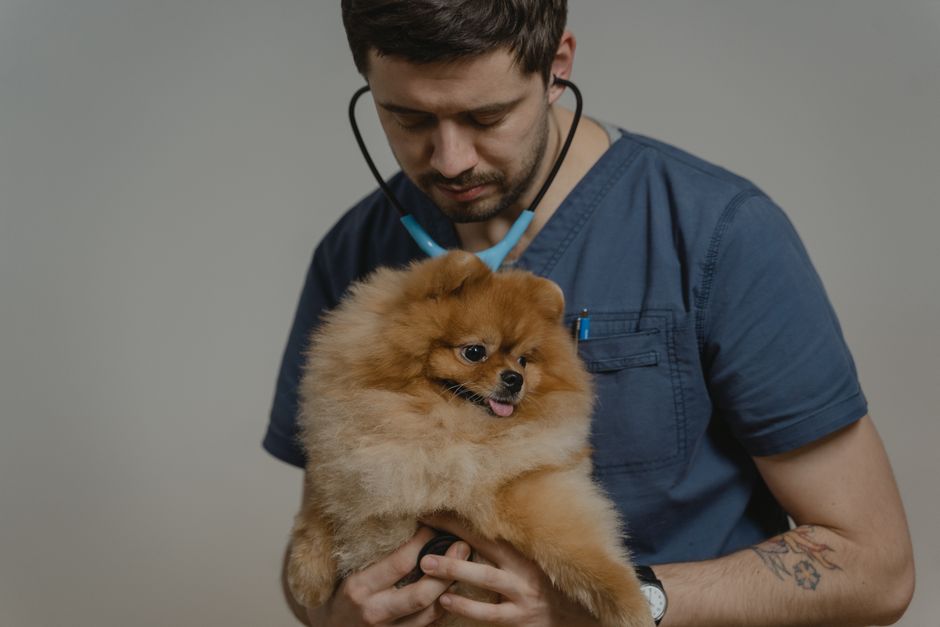
Professional veterinary care is crucial for addressing and preventing rainy season health issues. At Meadowrun Affordable Pet Care, we offer comprehensive support tailored to the needs of Brandon’s dogs and cats. For pets experiencing thunderstorm anxiety, our veterinarians can recommend behavior modification techniques, calming supplements, or prescription medications when needed. We also help owners develop safe, comforting spaces for pets to retreat during storms.
If your dog or cat develops skin or ear problems, our team provides thorough examinations and, when appropriate, diagnostic testing to identify infections or allergies. Treatments may involve medicated shampoos, topical therapies, or oral medications, depending on the cause and severity. For pets at risk of heartworm disease, we emphasize the need for year-round prevention and can perform heartworm testing to ensure your pet remains protected.
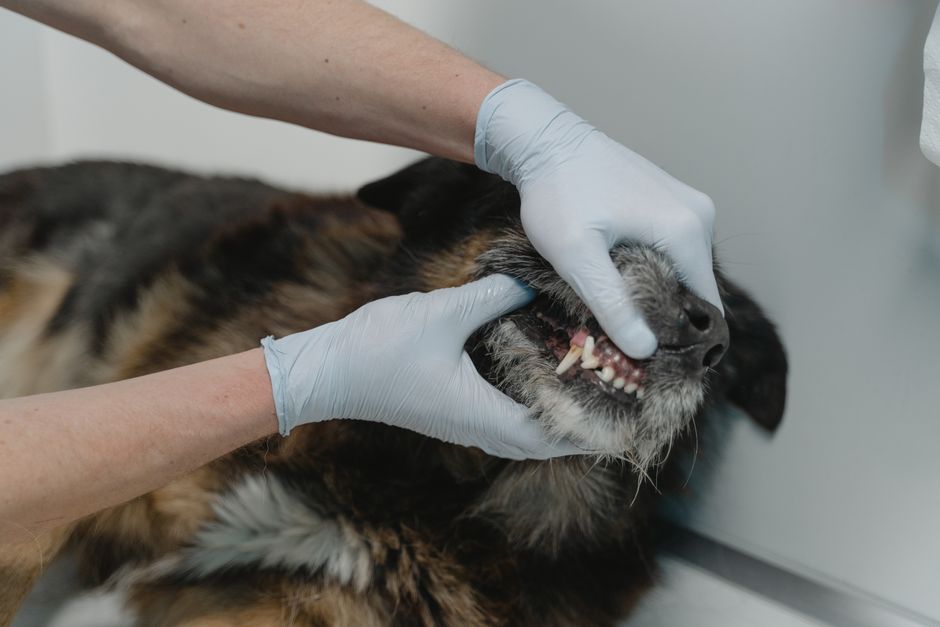
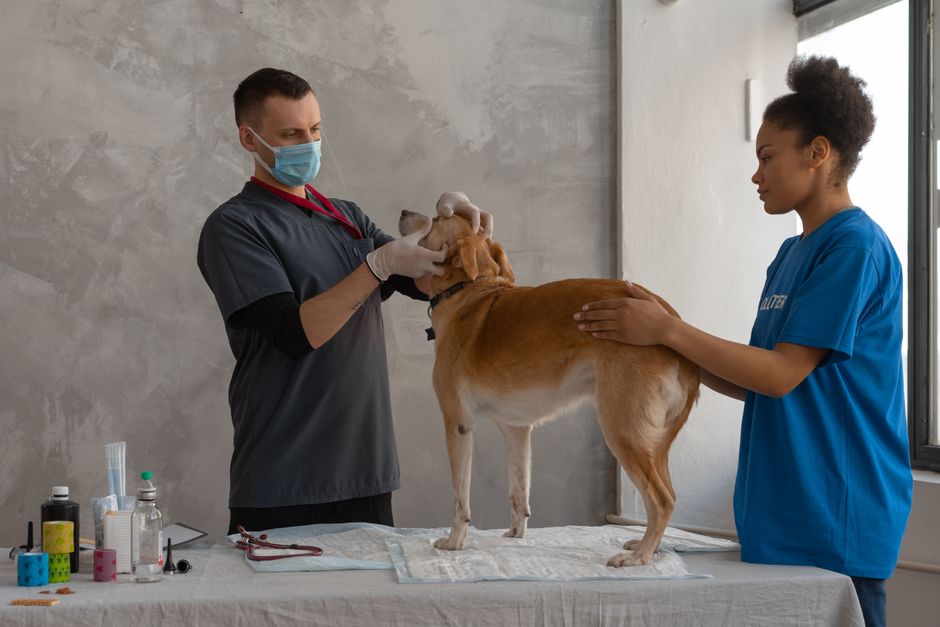
Our comprehensive physical exams allow us to catch early signs of illness related to the rainy season, from skin conditions to gastrointestinal upsets. If your pet has unexplained symptoms, advanced diagnostics like ultrasound or laboratory testing may be recommended to pinpoint the underlying issue. Our Brandon veterinary clinic is equipped to provide these services and more, ensuring your pet receives timely and effective care.
Home Care Tips for Wet and Humid Weather
While veterinary guidance is essential, there are many steps pet owners can take at home to keep dogs and cats safe during the rainy season. After walks or outdoor play, gently towel dry your pet’s fur and pay special attention to their paws and between the toes. Regularly clean and inspect paws for cuts, redness, or debris. If your pet is prone to ear infections, use a veterinarian-recommended ear cleaner and keep ears dry, especially after exposure to rain.
To manage thunderstorm stress, create a cozy, quiet area where your pet feels safe. This could be a crate lined with familiar bedding or a small room away from windows. Playing soothing music or using white noise can help mask storm sounds. For pets with severe anxiety, consult your veterinarian about additional strategies or calming aids.
Keep your home and yard as dry as possible. Remove standing water promptly to reduce mosquito breeding and prevent your pet from drinking from puddles. Wash bedding and clean litter boxes more frequently to reduce mold and allergens. Ensure your pet’s identification is up to date in case they escape during a storm; microchipping offers peace of mind for quick reunification.
Year-round parasite prevention is especially important during the wet months. Ask your veterinarian about the best flea, tick, and heartworm preventives for your dog or cat, and make sure vaccinations are current. Our team can review your pet’s health plan and recommend adjustments as needed.
When to Schedule a Veterinary Visit
Not all rainy season problems can be managed at home. It’s time to schedule an appointment with your veterinarian if your pet shows persistent anxiety that interferes with daily life, develops skin lesions or hot spots that do not resolve within a day or two, or has ongoing itching, hair loss, or unpleasant odors from the ears or skin. Vomiting, diarrhea, lethargy, or a sudden change in appetite are also reasons to seek prompt veterinary attention, as these may indicate an underlying infection or exposure to toxins.
If your pet is overdue for heartworm or parasite prevention, or if you have questions about vaccination services during the rainy season, your veterinary team can help create a preventive care plan tailored to your companion’s needs. Early intervention is key to preventing minor issues from becoming major health concerns.
Meadowrun Affordable Pet Care: Supporting Your Pet Through Every Storm
Brandon’s rainy season can be challenging, but with the right knowledge and support, you can keep your dogs and cats healthy, calm, and comfortable. From managing thunderstorm anxiety to preventing skin infections and heartworm disease, our veterinarians at Meadowrun Affordable Pet Care are here to provide expert guidance and compassionate care. We invite you to schedule a wellness visit or reach out with any concerns you may have about your pet’s health during wet weather.
If you are wondering, “Where can I find a veterinarian near me who truly understands local pet health challenges?”—our team is ready to help. To book an appointment, call us at (813) 688-0067 or visit our welcoming clinic at 804 Lithia Pinecrest Rd, Brandon, FL 33511. We proudly serve Brandon and surrounding communities, delivering affordable, high-quality veterinary care for your dogs and cats all year long.
For more pet care tips or to learn about our latest services, explore our website or ask our veterinary team during your next visit. Your pet’s wellbeing is our top priority, no matter what the weather brings.
Medical disclaimer: This blog is for informational purposes only and does not replace professional veterinary advice. Always consult your veterinarian with specific concerns about your pet’s health.