
Preventing Pet Dental Disease: Tips for Brandon Dog and Cat Owners

Preventing Pet Dental Disease: Tips for Brandon Dog and Cat Owners
Are you worried about your dog or cat’s dental health, especially as Brandon’s warm, humid climate makes oral care even more important? At Meadowrun Affordable Pet Care, we understand how much you care about your pet’s well-being. Dental disease is one of the most common health problems in dogs and cats, yet many owners are surprised to learn how much it can impact their pet’s overall health and comfort. In this post, we will walk you through how to spot the signs of dental problems, what causes dental disease in pets, professional treatment options available right here in Brandon, and practical tips for keeping your pet’s teeth healthy at home. Our veterinary team is dedicated to helping your pet enjoy a healthier, happier smile, and we invite you to discover how our dental care services can make a difference for your family.
Recognizing Dental Disease in Dogs and Cats
Dental disease, also known as periodontal disease, is common in pets of all ages, but it often goes unnoticed until it has progressed. Early signs can be subtle, but catching problems early makes a big difference for your pet’s comfort and health.
Common Signs of Pet Dental Problems
Some of the first symptoms you might notice include persistent bad breath that doesn’t improve with brushing, yellow or brownish buildup (tartar) on the teeth, red or swollen gums, and drooling more than usual. Pets might also show discomfort when eating, paw at their mouth, or drop food while chewing. In more advanced cases, you may see loose or missing teeth, bleeding from the mouth, or a sudden change in your pet’s eating habits such as reluctance to eat crunchy food. Behavioral changes like irritability or withdrawal can also be a sign that your pet’s mouth is hurting.
If you notice any of these signs in your dog or cat, it’s important to schedule an appointment for a dental evaluation. Early intervention helps prevent pain and more serious complications.
Why Dental Disease Happens: Understanding the Causes
Dental disease in pets develops much like it does in people. After your pet eats, a soft film called plaque forms on the teeth; this plaque contains bacteria. If the plaque isn’t removed regularly by brushing or professional cleaning, it hardens into tartar, which irritates the gums and provides a surface for even more bacteria to grow. Over time, this leads to inflammation of the gums (gingivitis) and can progress to infection and destruction of the tissues that hold the teeth in place.
Certain factors make dental disease more likely. Smaller dog breeds and cats are especially prone to dental problems due to the way their teeth are positioned in the mouth. Genetics, diet, age, and even habits like chewing on hard objects can influence your pet’s dental health. In Brandon’s humid climate, bacteria thrive, which can speed up the development of dental disease if regular care isn’t maintained.
Left untreated, dental disease doesn’t just affect your pet’s mouth. Bacteria from infected gums and teeth can enter the bloodstream, leading to heart, kidney, or liver problems over time. That’s why preventive dental care is a critical part of your pet’s overall health plan.
How Meadowrun Affordable Pet Care Treats Dental Disease
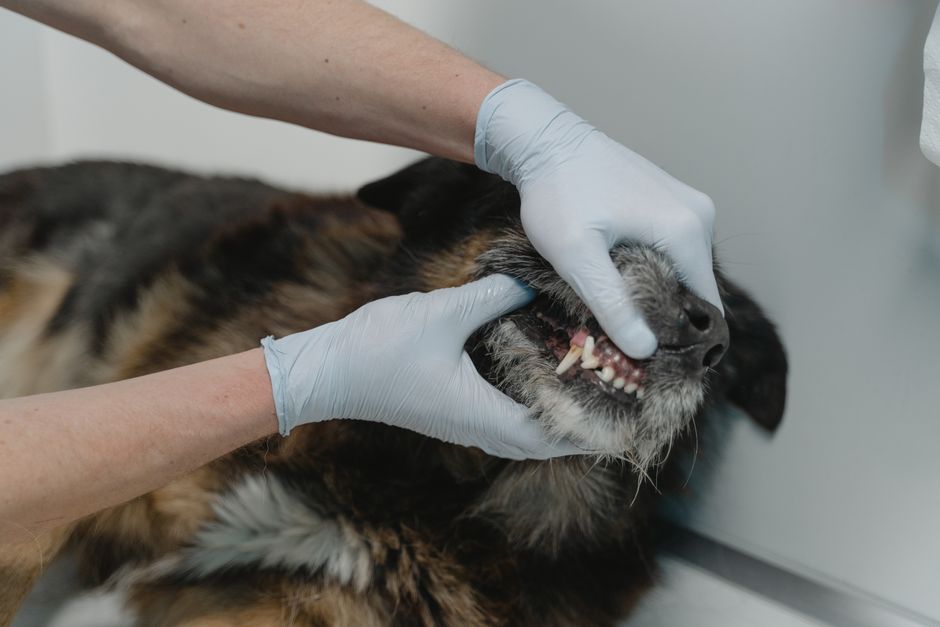
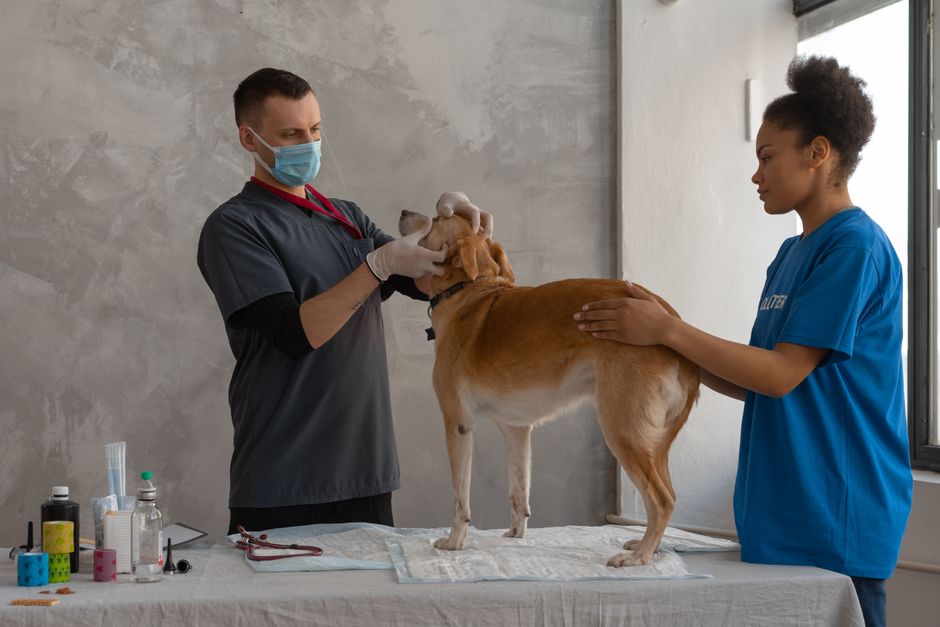
If your pet is showing signs of dental disease, our veterinary team is here to help with a comprehensive approach tailored to your pet’s needs. A dental exam is the first step; we thoroughly check your pet’s teeth and gums for signs of disease, infection, or pain.
Professional Dental Cleanings
The foundation of pet dental care is a professional cleaning performed under anesthesia. This allows our team to remove plaque and tartar both above and below the gumline, which is where bacteria can cause the most harm. During the cleaning, we also polish the teeth to help prevent future buildup and thoroughly inspect the mouth for hidden issues.
If your pet needs gentle dental cleanings to remove plaque and tartar or to support healthy gums, our dog and cat dental cleaning services are available right here in Brandon.
Advanced Care: Extractions, Surgery, and Dental Imaging
Sometimes, dental disease causes irreversible damage to a tooth or the surrounding bone. In these cases, a dental extraction may be necessary to relieve pain and prevent further infection. Our veterinary professionals are skilled in performing pet dental extractions with your pet’s comfort and safety as our top priorities.
For more complex cases where advanced oral care is required, our practice offers dental surgery services for both dogs and cats. We also utilize dental radiographs, which are specialized X-rays that let us see below the gumline and diagnose problems that aren’t visible during a routine exam. This technology ensures we catch issues early and provide the most effective care for your pet.
At-Home Dental Care: What Pet Owners Can Do
While professional veterinary care is essential, your efforts at home make a huge difference in preventing dental disease. The most effective way to control plaque is daily tooth brushing with a pet-safe toothpaste. Even brushing a few times a week can help reduce buildup and keep your pet’s breath fresher.
Dental chews and treats designed to promote oral health can also help, but they should not replace brushing. Special dental diets are available for pets at higher risk of dental problems. Providing appropriate chew toys encourages natural cleaning action on the teeth, but always supervise your pet to avoid accidents.
Water additives and oral rinses made for pets can help reduce bacteria in the mouth, especially for cats or dogs that are less tolerant of brushing. Regularly checking your pet’s mouth at home for signs of redness, swelling, or loose teeth helps you catch problems early.
Remember, consistent home care combined with professional dental cleanings offers your pet the best protection against dental disease.
When Should You Schedule a Veterinary Dental Visit?
It’s natural to wonder when your pet needs professional help. You should schedule a veterinary visit for your dog or cat if you notice persistent bad breath, visible tartar, swollen or bleeding gums, loose teeth, or any reluctance to eat. Sudden changes in behavior, such as hiding or pawing at the face, can also signal dental pain.
Even if you don’t see obvious signs, semi-annual or annual dental exams are important, since pets often hide discomfort. Preventive checkups allow our veterinary team to spot small problems before they turn into bigger (and more expensive) issues.
Professional dental cleanings are recommended at intervals tailored to your pet’s age, breed, and health status. Our veterinarians can advise you on the ideal schedule for your individual pet during your comprehensive physical exam.
If you ever have questions about your pet’s oral health, don’t hesitate to reach out to your veterinarian for guidance.
Supporting Your Pet’s Smile in Brandon and Surrounding Communities
At Meadowrun Affordable Pet Care, we believe every pet deserves a healthy, pain-free mouth. Our team of veterinarians offers dental care solutions tailored to your dog or cat’s unique needs, from gentle cleanings and advanced dental surgery to education on at-home oral care. We are proud to serve pets in Brandon and surrounding communities with compassionate, affordable veterinary care.
If you are searching for a veterinarian near me who understands the importance of dental health, we invite you to schedule an appointment with our veterinary professionals. Whether your pet needs a preventive dental cleaning or help with oral discomfort, we are here to support you every step of the way. You can reach us by calling (813) 688-0067, or visit us at 804 Lithia Pinecrest Rd, Brandon, FL 33511.
Your pet’s healthy smile is part of their overall happiness. Let Meadowrun Affordable Pet Care help you keep those tails wagging and purrs coming, today and every day.
This article is intended for informational purposes only and should not replace professional veterinary advice. If you have concerns about your pet’s dental health, please contact your veterinarian for a thorough evaluation.